Rewiring Layouts That Didn't Exist Before
Residential Remodel Electrical in Littleton for kitchens, bathrooms, and full home renovations that reconfigure walls, lighting, and power distribution
Atomic Electric handles the electrical work that makes remodels functional, safe, and ready for how you'll actually use the space. You're moving walls, adding islands, relocating appliances, or installing lighting that requires new switching and circuit paths. This service includes running new wiring behind drywall, relocating outlets and switches to match the new layout, upgrading circuits to handle increased loads, and coordinating with your contractor so rough-in happens on schedule. The work is planned around your design and the code requirements that apply to kitchens, baths, and living areas.
Remodels in older Littleton homes often reveal wiring that no longer meets code or wasn't installed correctly in the first place. Outlets may be spaced too far apart, circuits may be shared when they should be dedicated, or the panel may lack the capacity to support what you're adding. A kitchen remodel typically requires at least two 20-amp small appliance circuits, a dedicated circuit for the dishwasher, another for the disposal, and proper GFCI protection near the sink. Bathrooms need GFCI outlets, separate lighting circuits, and sometimes exhaust fan wiring with timer or humidity controls.
Plan your remodel project by reaching out early so electrical requirements are incorporated into the design phase.
What Electrical Work Looks Like During a Remodel
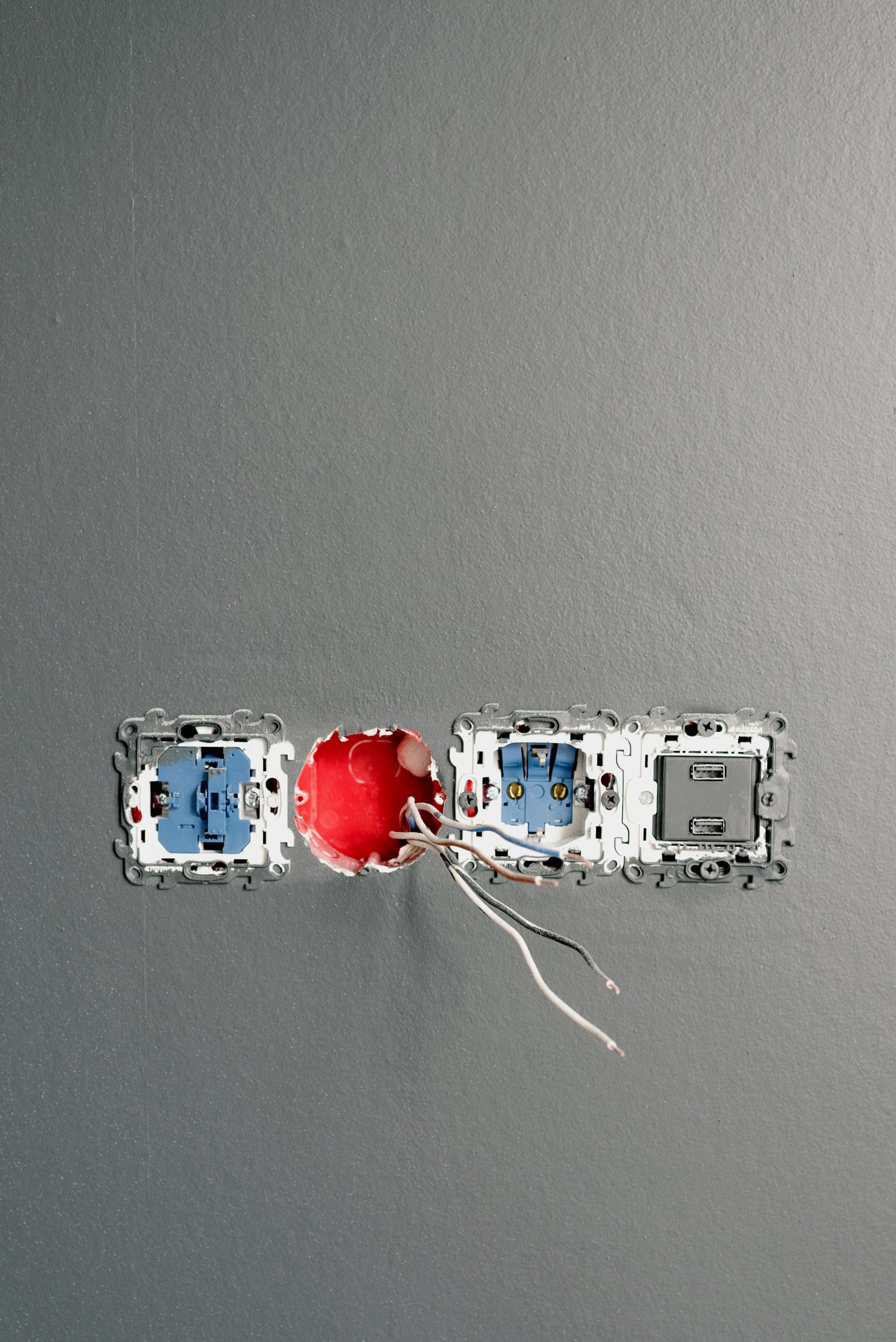
Once the layout is finalized, the electrician maps out circuit paths, switch locations, and fixture placements based on the architectural plan. Rough-in begins after framing is complete and before insulation or drywall goes up. New cables are run through studs and joists, boxes are installed at each outlet and switch location, and any panel upgrades or circuit additions are completed. The rough-in is inspected before walls are closed, which prevents costly corrections later. After drywall and finish work, devices and fixtures are installed, circuits are tested, and the system is energized.
When the remodel is finished, you'll have outlets exactly where you need them, lighting controlled from logical locations, and circuits that won't overload when you run multiple appliances. Atomic Electric works directly with general contractors and homeowners to keep the electrical phase moving and avoid delays. If your remodel includes undercabinet lighting, pendant fixtures, or smart switches, those are integrated during the trim-out phase.
This type of project requires close coordination with other trades, especially if plumbing or HVAC is also being rerouted. The electrical plan should account for recessed lighting clearances, fixture weights that require additional blocking, and any structural changes that affect wire routing. Changes after rough-in add time and cost, so finalizing the layout early is critical.
Questions Homeowners Ask About Remodel Electrical Work
People in Littleton remodeling kitchens or bathrooms want to understand how electrical fits into the larger project timeline and what's required by code.
When should I involve an electrician in my remodel?
Before you finalize the design, so outlet locations, lighting plans, and panel capacity are confirmed and incorporated into the layout.
What electrical work is required in a kitchen remodel?
You need at least two 20-amp circuits for countertop outlets, dedicated circuits for major appliances, GFCI protection near sinks, and proper spacing of outlets along counters.
Why do bathroom outlets need GFCI protection?
GFCI devices shut off power instantly when they detect a ground fault, which prevents shock hazards in wet locations like bathrooms.
How does rough-in inspection affect the remodel schedule in Littleton?
Rough-in must be inspected and approved before drywall is installed, so any issues are caught early and corrections are easier to make.
What happens if I want to add recessed lighting after the plan is set?
Changes after rough-in require opening walls, rerouting circuits, and additional inspection, which adds time and expense to the project.
Atomic Electric coordinates inspections, works with your contractor's schedule, and ensures all electrical work supports the finished design. Call (303) 819-5557 to discuss your remodel and get electrical planning underway before demolition starts.