Finish Your Basement With Safe, Code-Compliant Wiring
Basement Electrical Wiring in Littleton for homeowners turning unfinished space into living areas that need lighting, outlets, and dedicated circuits
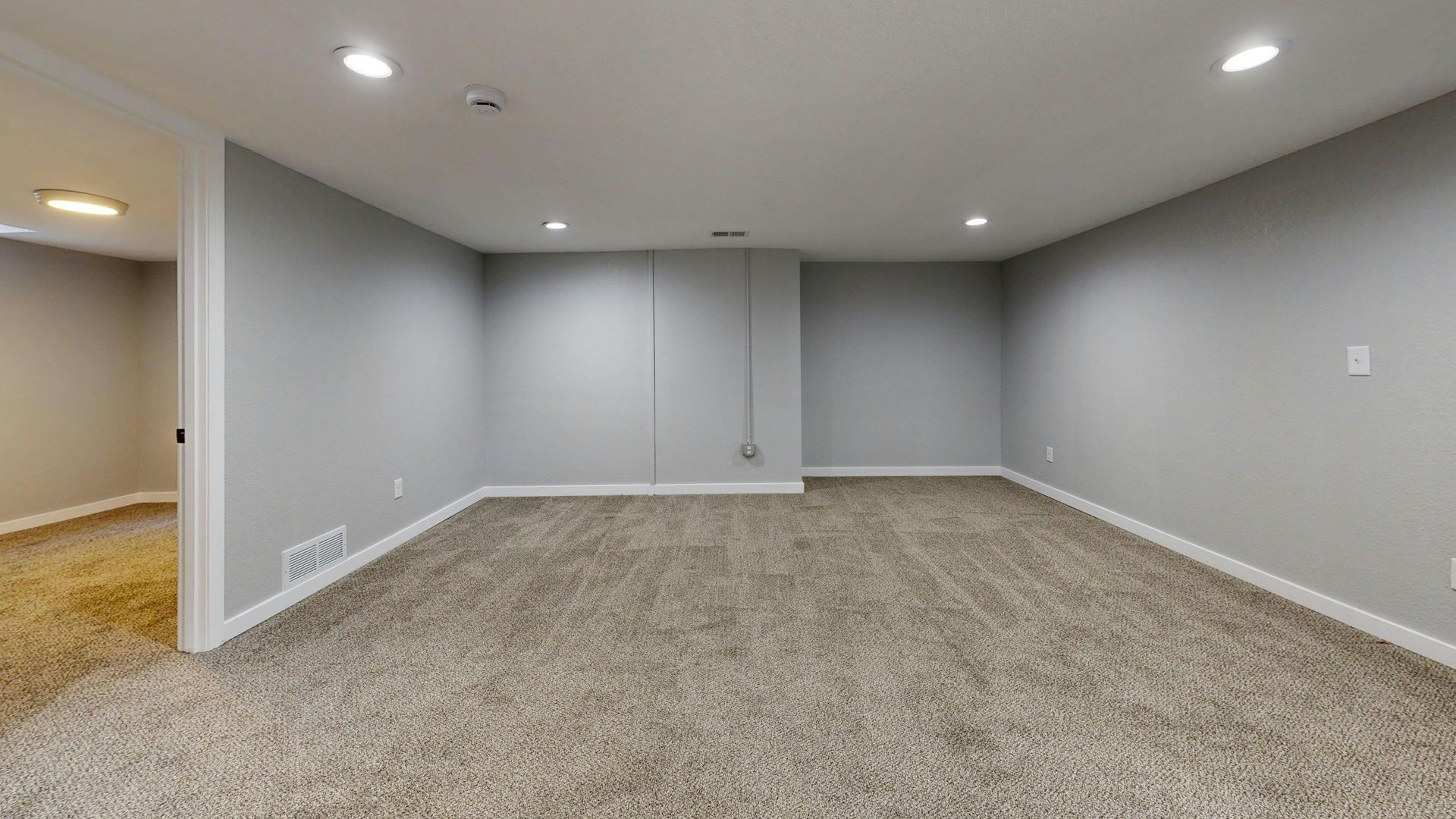
Atomic Electric installs the wiring, circuits, outlets, and lighting required to make your basement a functional part of your home. You're adding bedrooms, a family room, a home theater, or a wet bar, and the space currently has little more than a bare bulb and maybe one outlet. This service includes running new circuits from your main panel, installing outlet and switch boxes throughout the layout, wiring for recessed lighting or ceiling fixtures, and ensuring all work meets egress, GFCI, and AFCI requirements that apply to finished basements. The system is designed to handle the actual load you'll place on it, not just the minimum code allows.
Basements in Littleton homes are often used for entertainment systems, home offices, exercise equipment, and guest bedrooms. Each of those uses creates electrical demand that needs to be planned into the circuit layout. You'll need enough outlets to avoid running extension cords, switched lighting in each room, and potentially dedicated circuits for a kitchenette, sump pump, or server rack. If the basement includes a bathroom, that requires GFCI-protected outlets and an exhaust fan on its own circuit. AFCI breakers are required for most living area circuits, which adds another layer of protection against arc faults.
Start your basement wiring project by scheduling a walkthrough to map out your layout and electrical needs before framing begins.
How Basement Electrical Gets Installed From Start to Finish
The electrician reviews your floor plan and marks outlet locations, switch placements, and fixture positions based on furniture layouts and how you'll use each area. Circuits are routed through floor joists and along studs once framing is up, with boxes installed at each device location. Cables are stapled securely and routed to avoid future interference with plumbing or HVAC. If your basement includes a home theater or built-in entertainment center, low-voltage wiring for speakers, network, and HDMI is run at the same time. Rough-in is inspected before insulation and drywall, then devices and fixtures are installed during the finish phase.
After the work is complete, you'll have lighting controlled from each room entry, outlets spaced to meet code and convenience, and circuits that won't trip when you run your equipment. Atomic Electric ensures the basement wiring integrates cleanly with your existing panel and doesn't create overload conditions. If your panel is already near capacity, a subpanel or service upgrade may be recommended to support the additional load without sacrificing reliability elsewhere in the home.
Basement wiring also accounts for potential moisture issues and requires proper grounding and bonding throughout. Outlets near sinks, wet bars, or utility areas must be GFCI-protected. Egress windows in bedrooms must have adequate lighting, and smoke detectors are required in sleeping areas and hallways. These aren't optional details—they're part of making the space legally habitable and safe for long-term use.
Common Questions About Wiring a Finished Basement
Homeowners in Littleton finishing basements want to know what's required by code and how to plan electrical around their intended use of the space.
What's the difference between AFCI and GFCI protection?
AFCI breakers detect arc faults that can cause fires and are required in living areas, while GFCI devices prevent shock in wet locations like bathrooms and bar sinks.
How many outlets do I need in a finished basement?
Code requires outlets spaced no more than twelve feet apart along walls, with additional outlets for islands, counters, or dedicated equipment.
Why would I need a subpanel for basement wiring?
If your main panel is full or located far from the basement, a subpanel provides local circuit distribution and makes future additions easier without long home runs.
What electrical work is required for a basement bedroom in Littleton?
You need adequate lighting, properly spaced outlets, AFCI protection on circuits, a smoke detector, and egress window lighting if applicable.
When does rough-in inspection happen?
After wiring is installed and before any insulation or drywall covers the work, so the inspector can verify connections, routing, and code compliance.
Atomic Electric handles permit applications, rough-in and final inspections, and coordination with your framing and drywall contractors. Contact (303) 819-5557 to review your basement plan and get the wiring scheduled at the right phase of construction.